
CGI-Clinics at the EU Parliament – Advancing Personalised Oncology Across Europe
On 03 June 2026, the CGI-Clinics project hosted an event at the EU Parliament Info Hub in Brussels, Belgium. It discussed the future of personalised oncology in Europe, and the policy action needed to make it sustainable, equitable and scalable across EU Member States.
The event addressed advancing personalised oncology in Europe through access, innovation and sustainable integration of the CGI-Clinics tools. Attendees included patient representatives, researchers, medical professionals, policy-makers and the general public.
MEP Victor Negrescu, Vice President of the European Parliament, opened proceedings via video message, stressing that tools developed under EU funding must move beyond a handful of advanced centres to become part of routine cancer care across all member states, including in Central and Eastern Europe.
Click on the photos in the gallery to see them in more detail
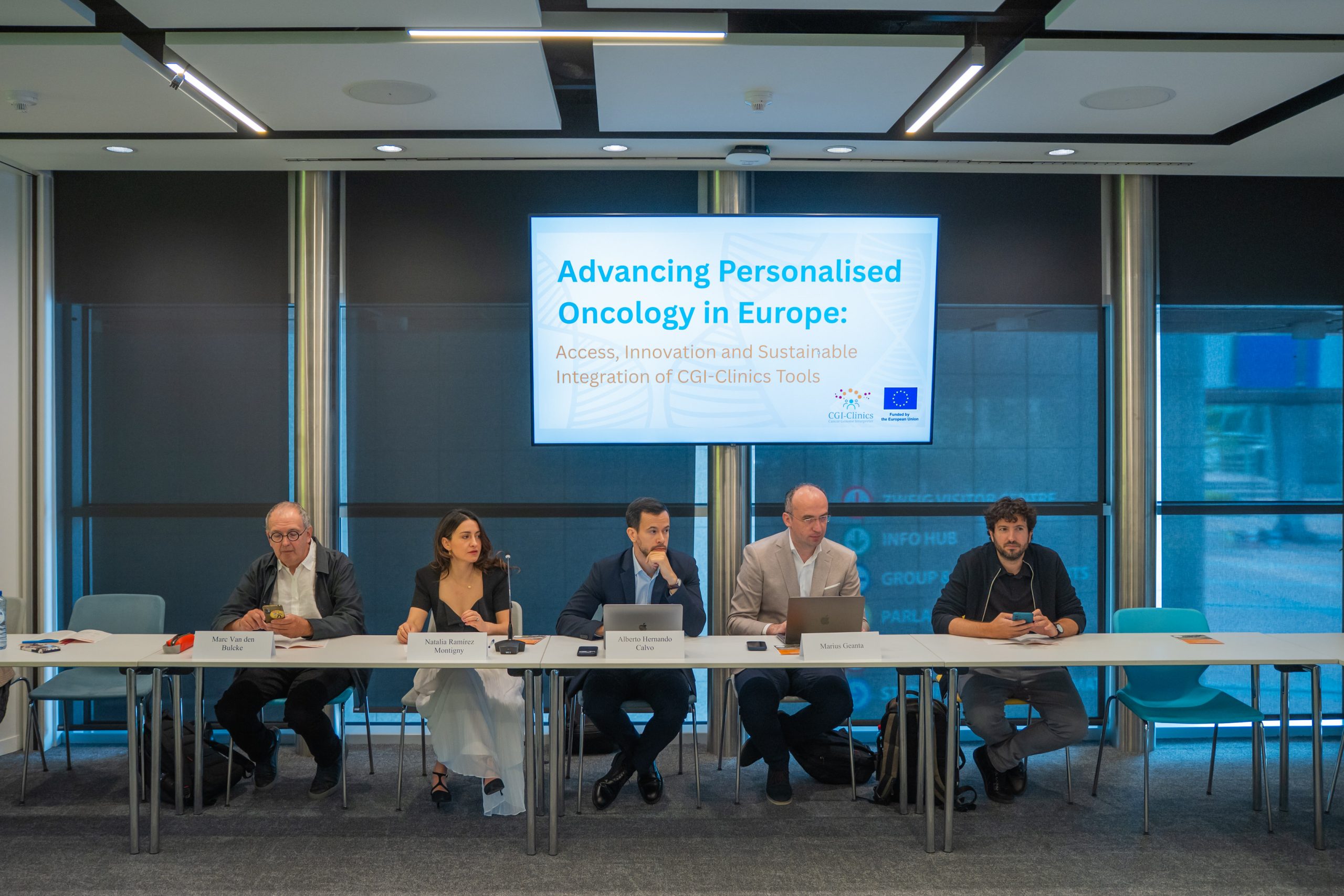
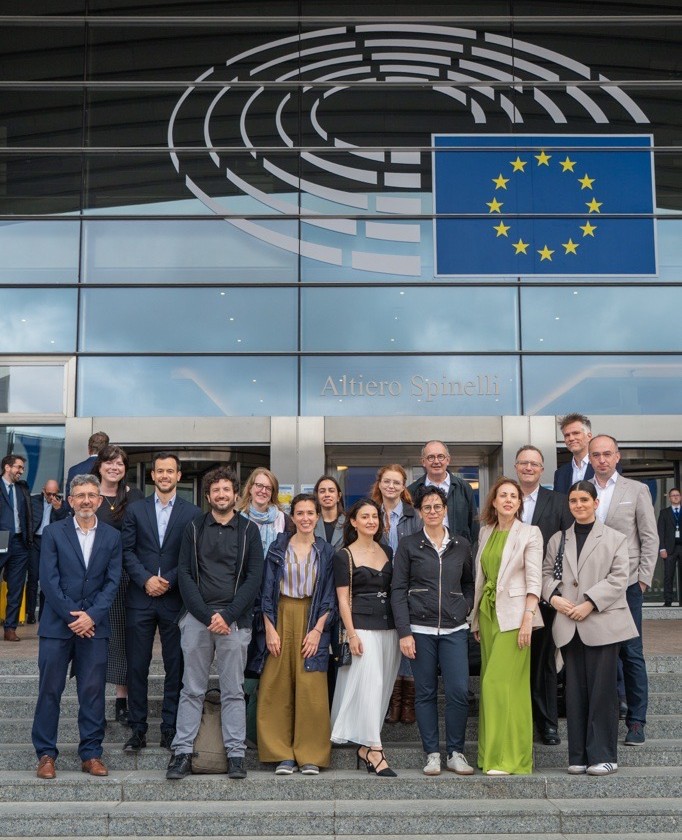
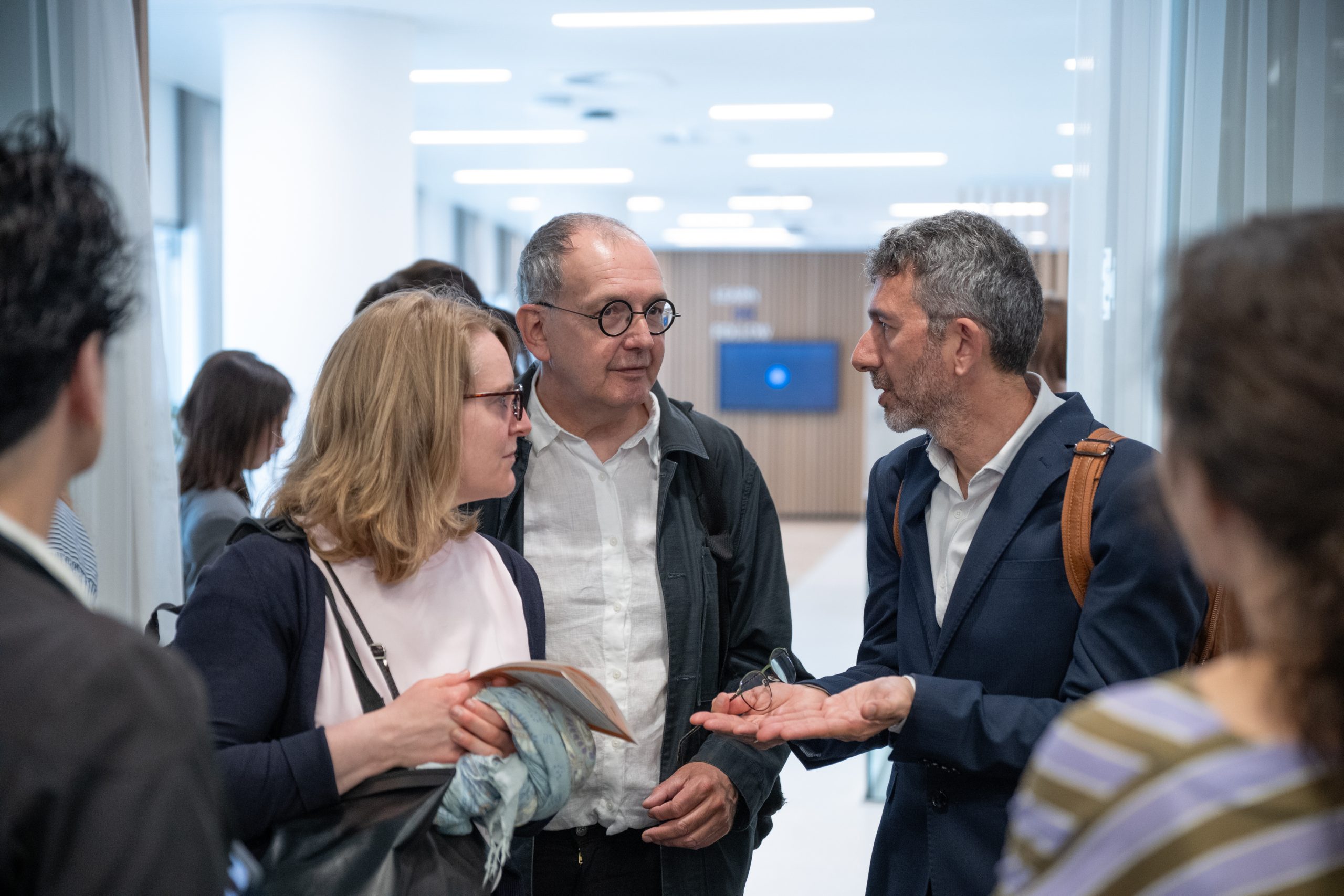
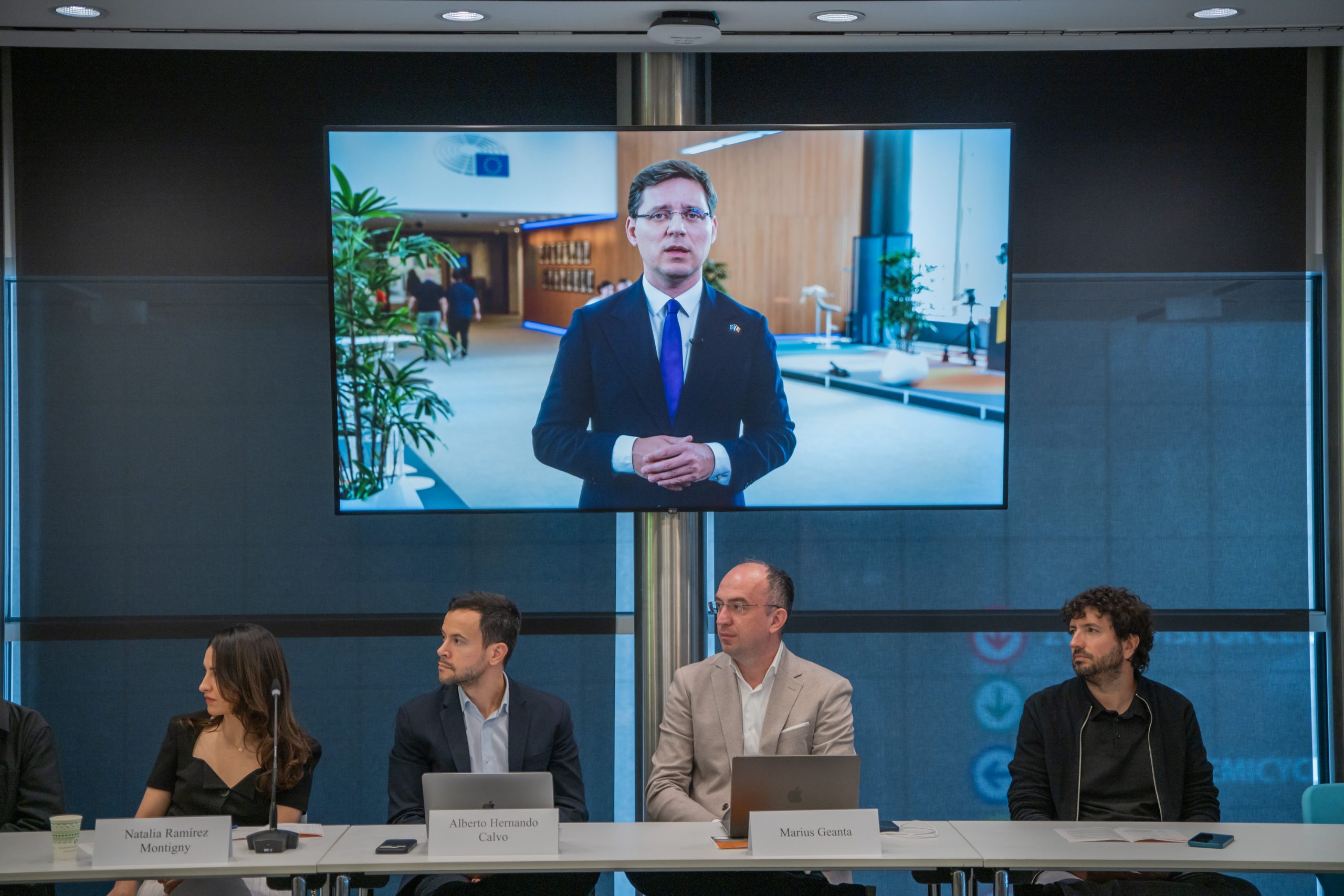
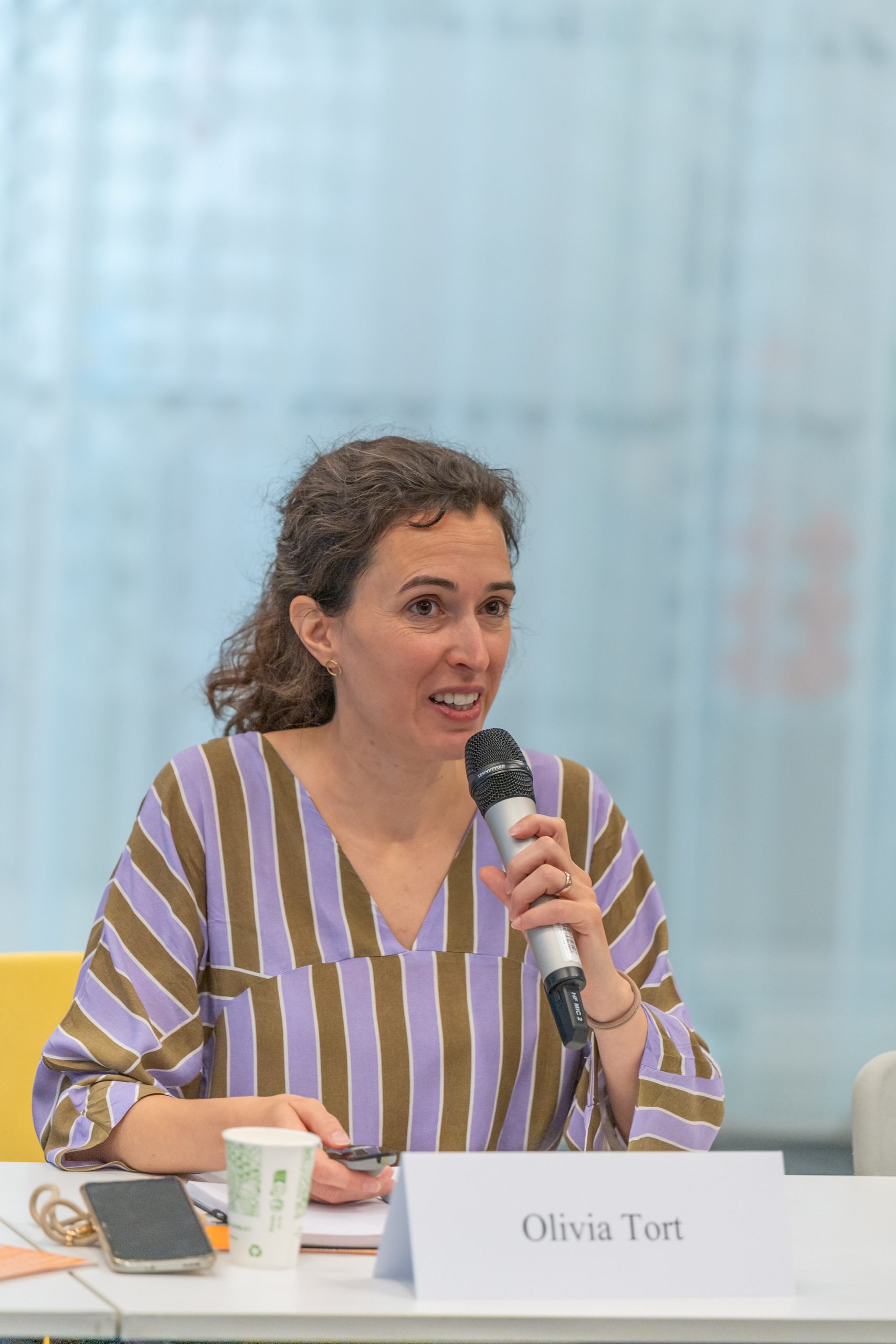

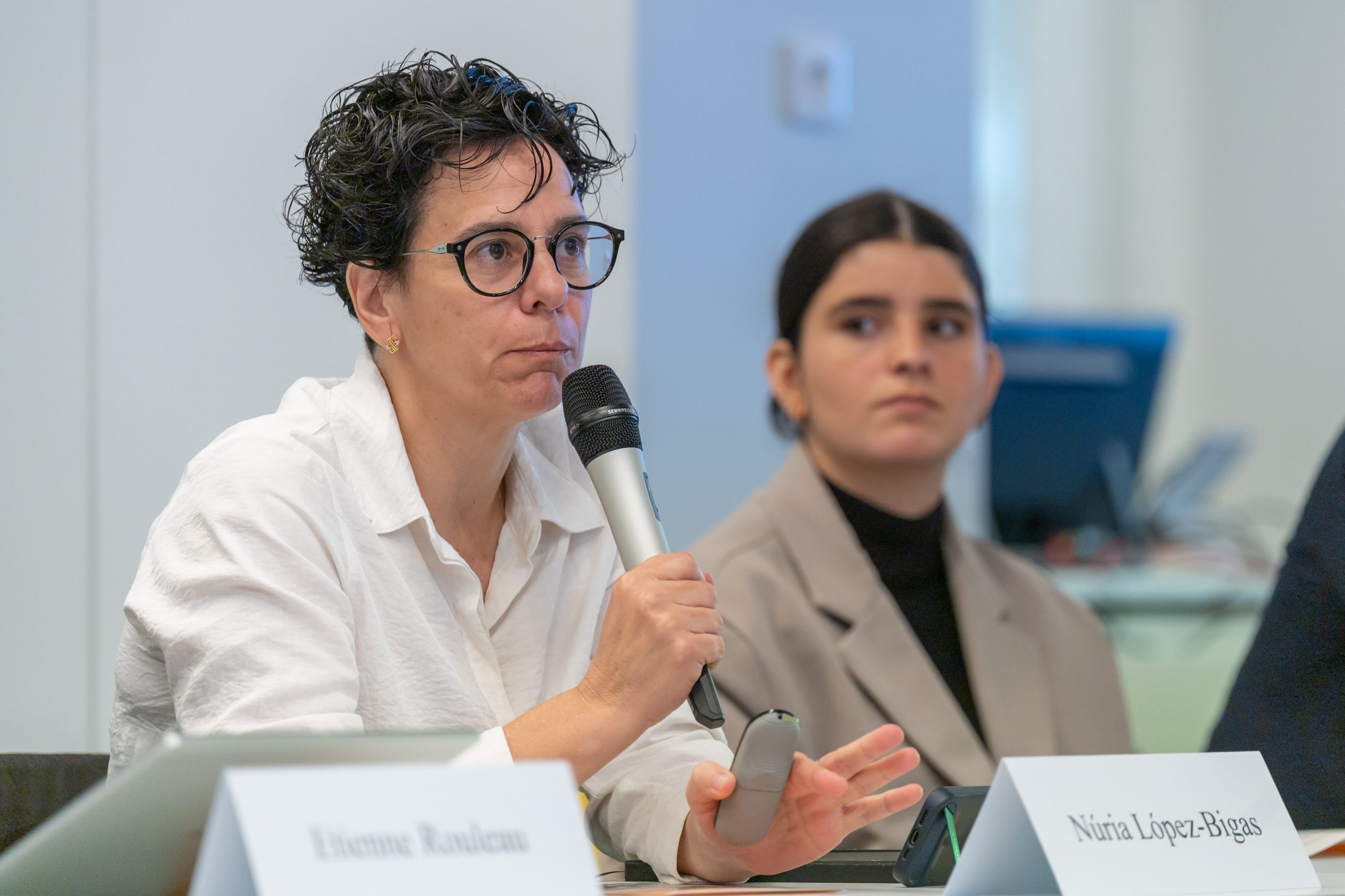
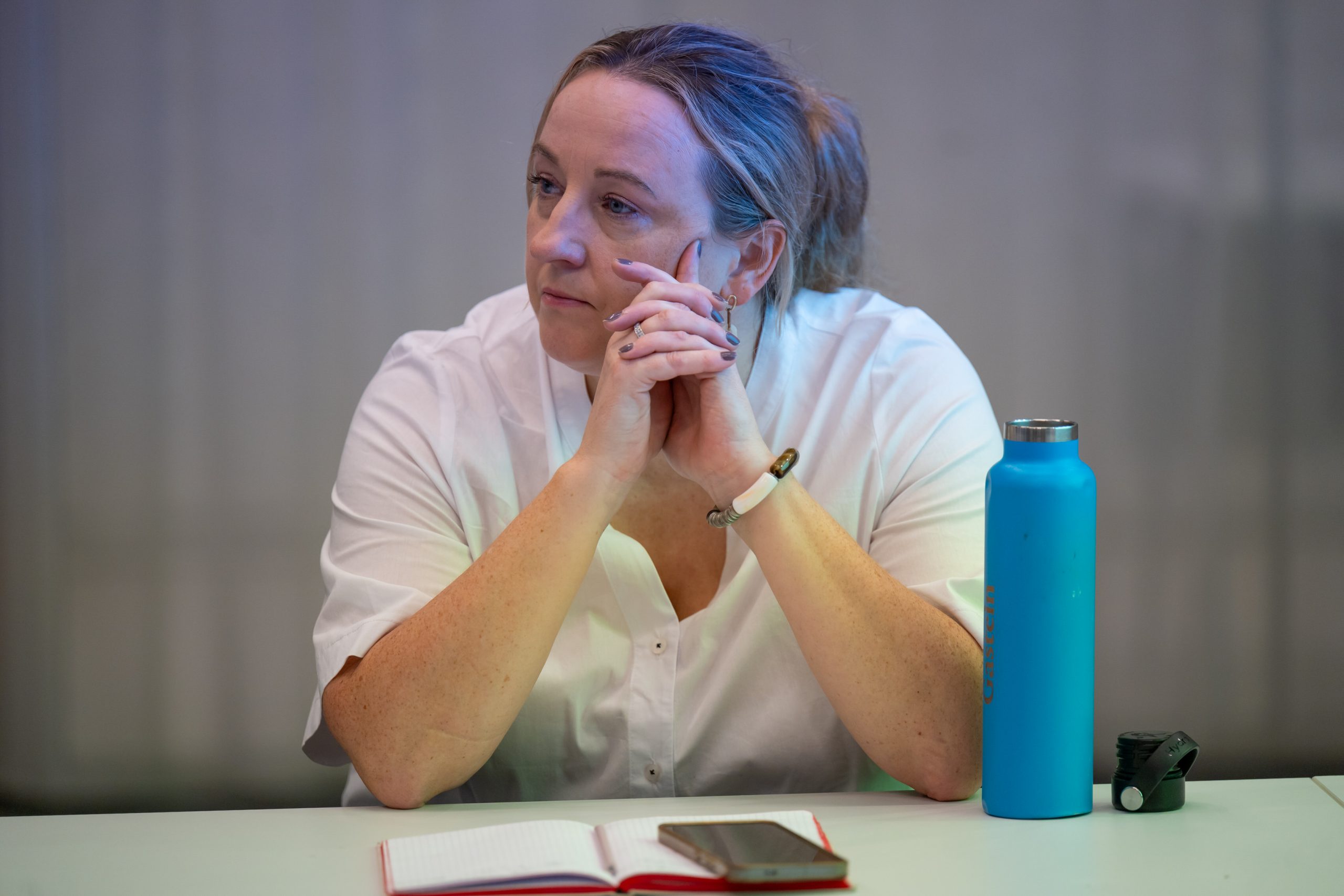
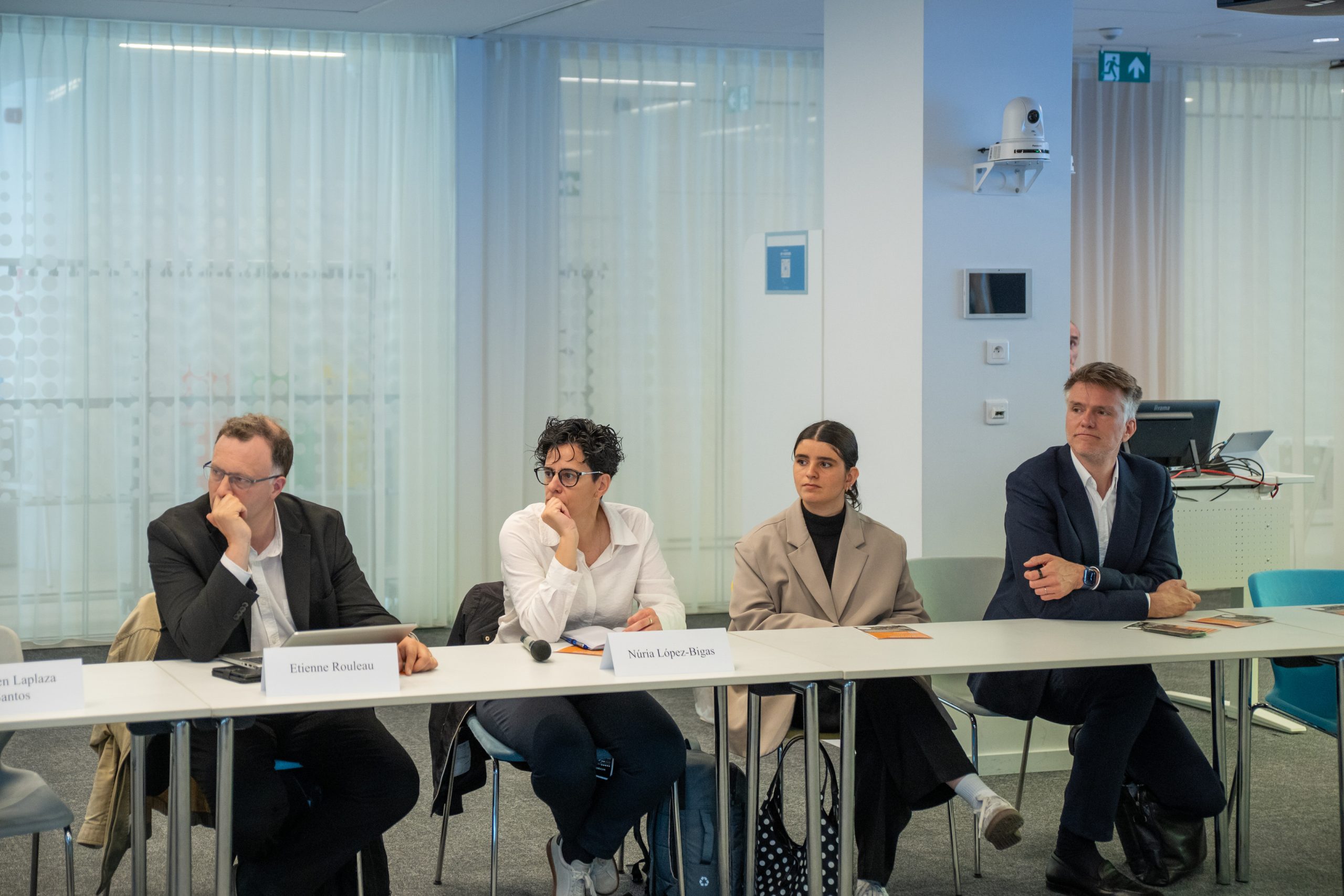
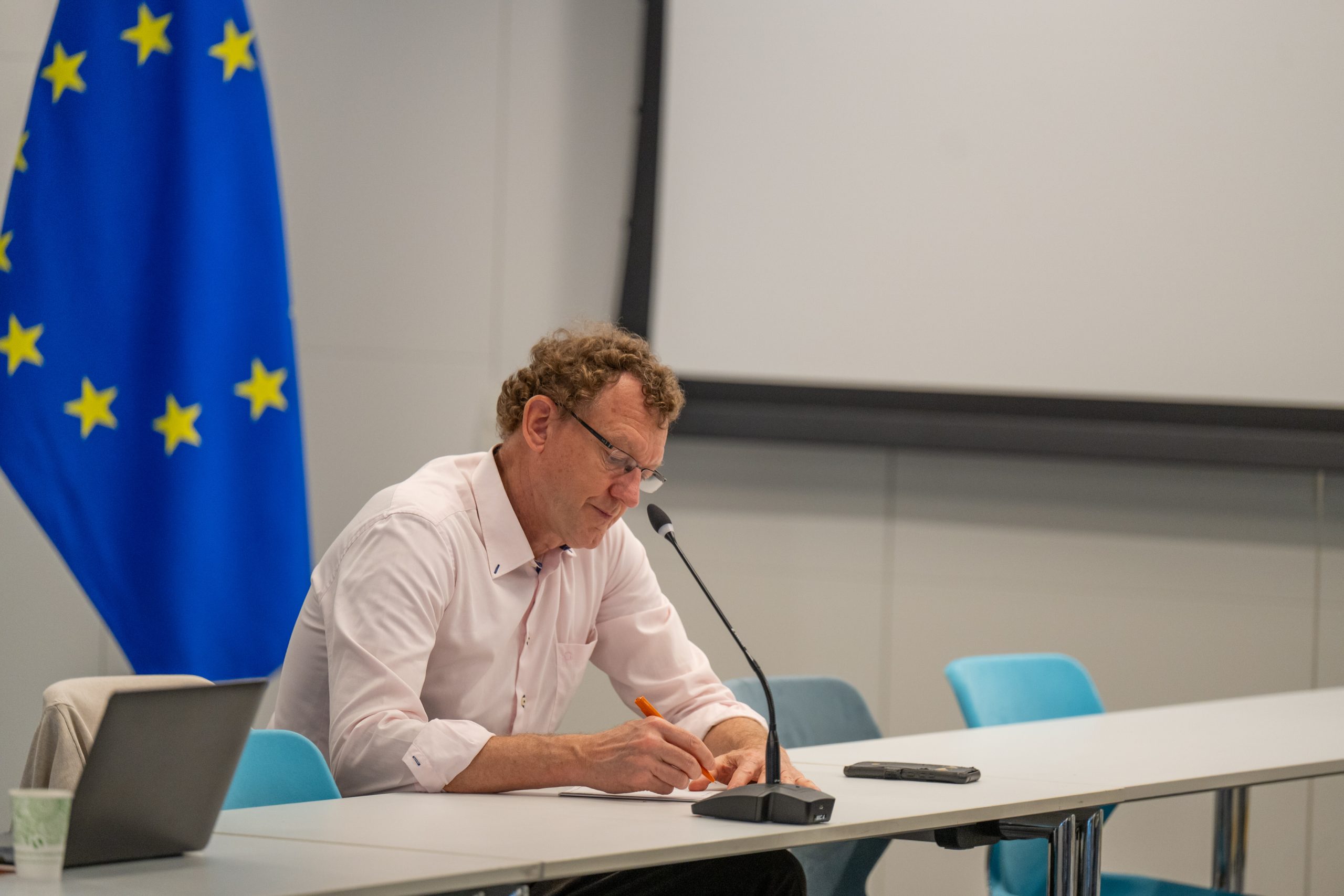
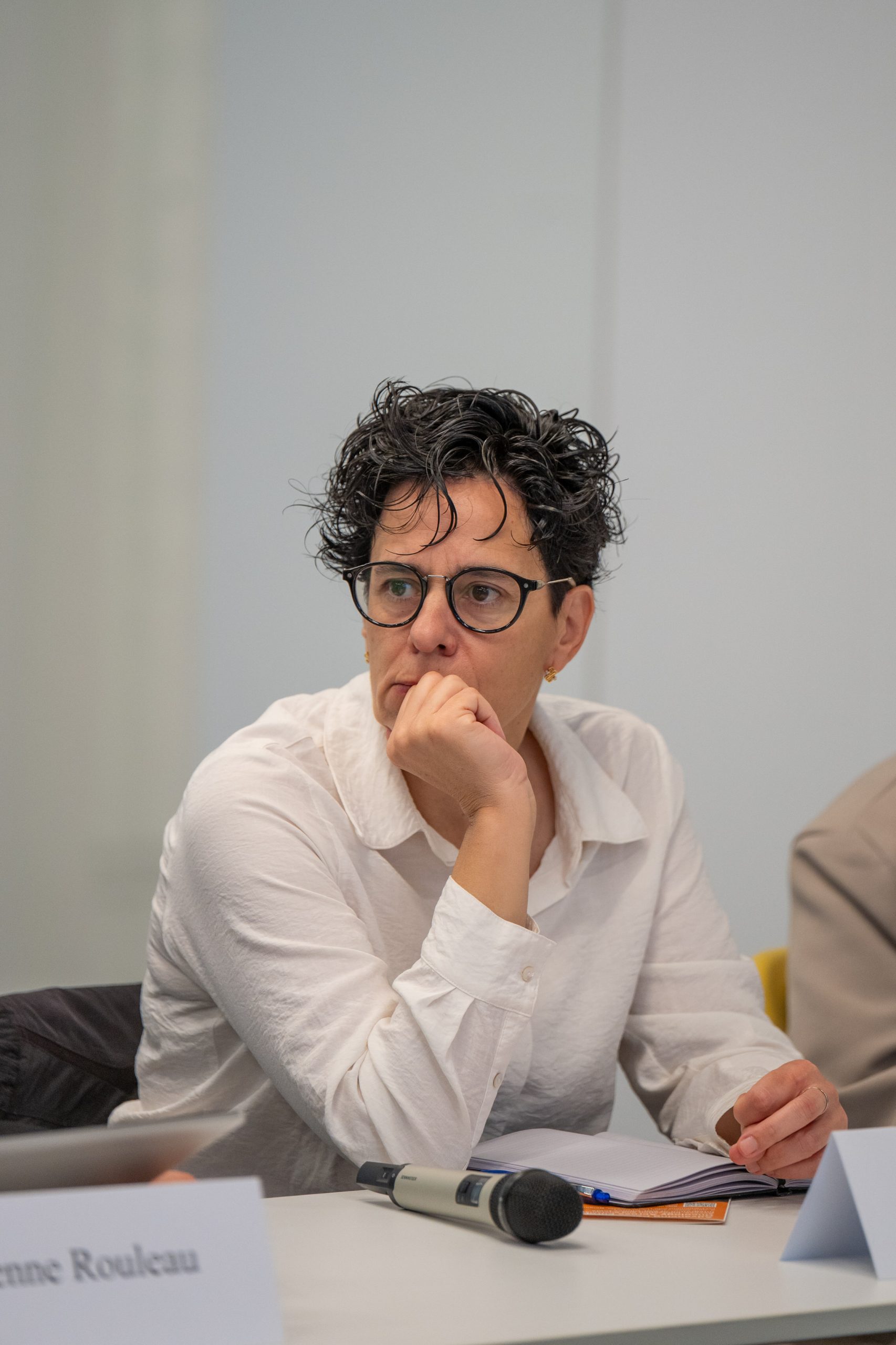
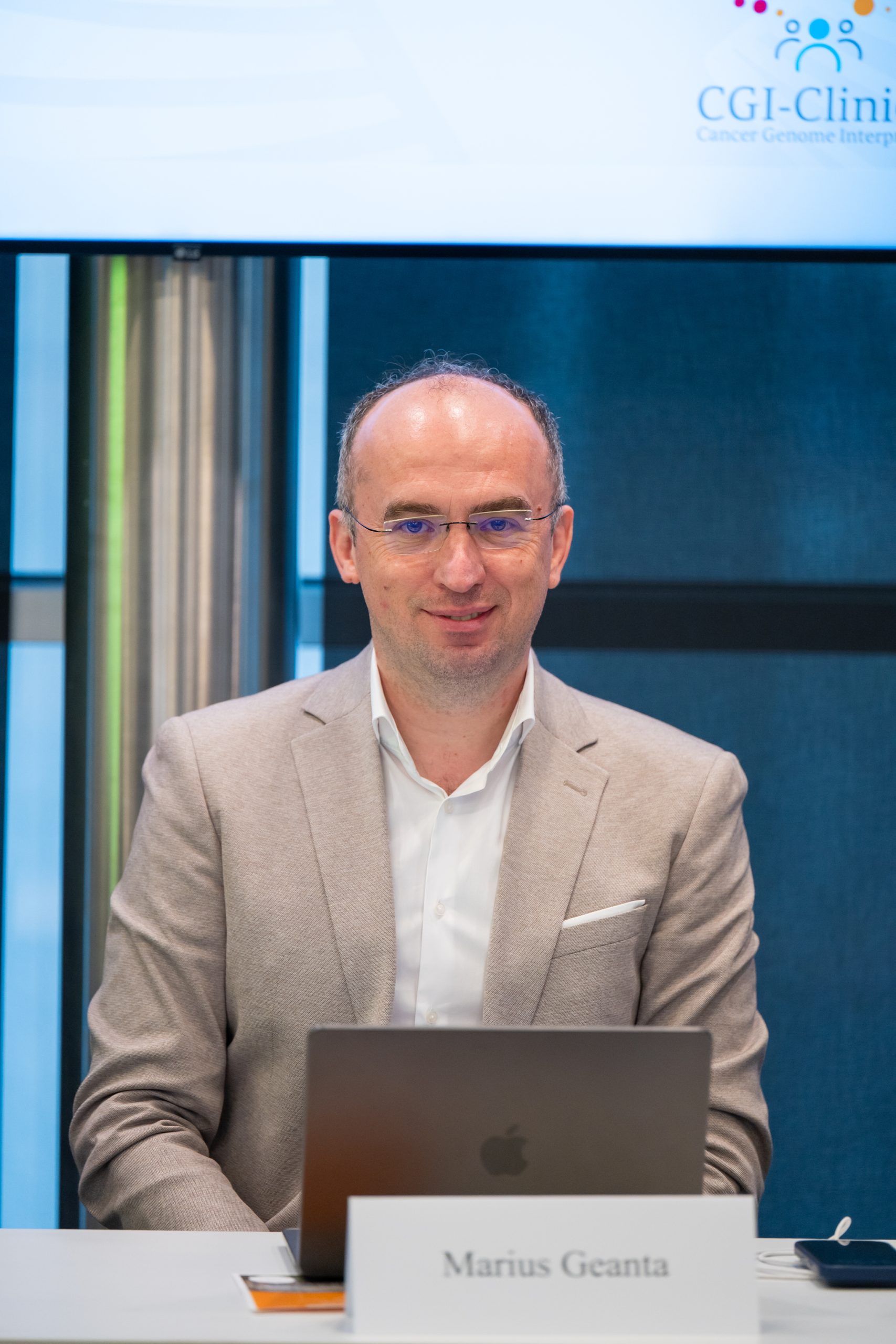
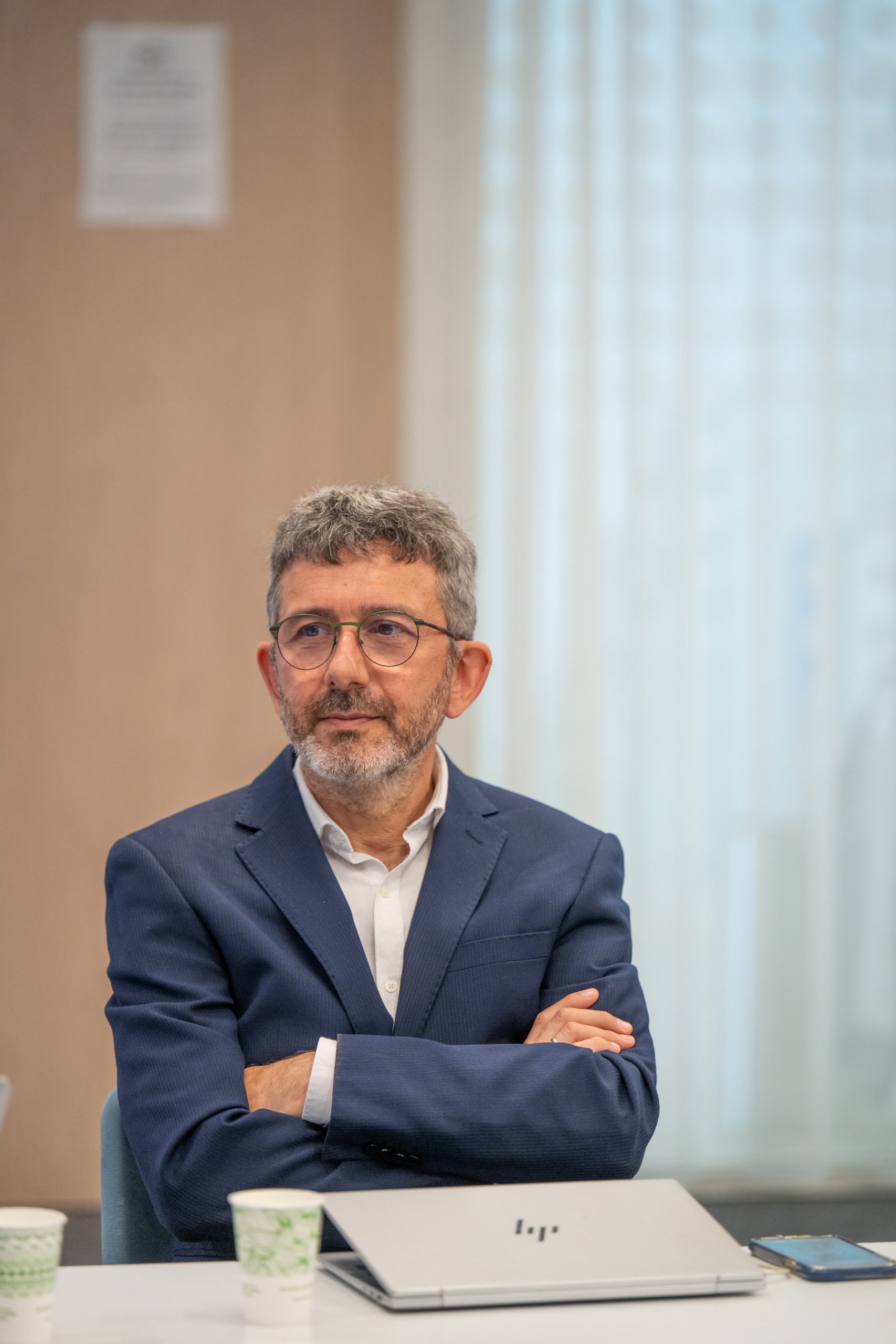
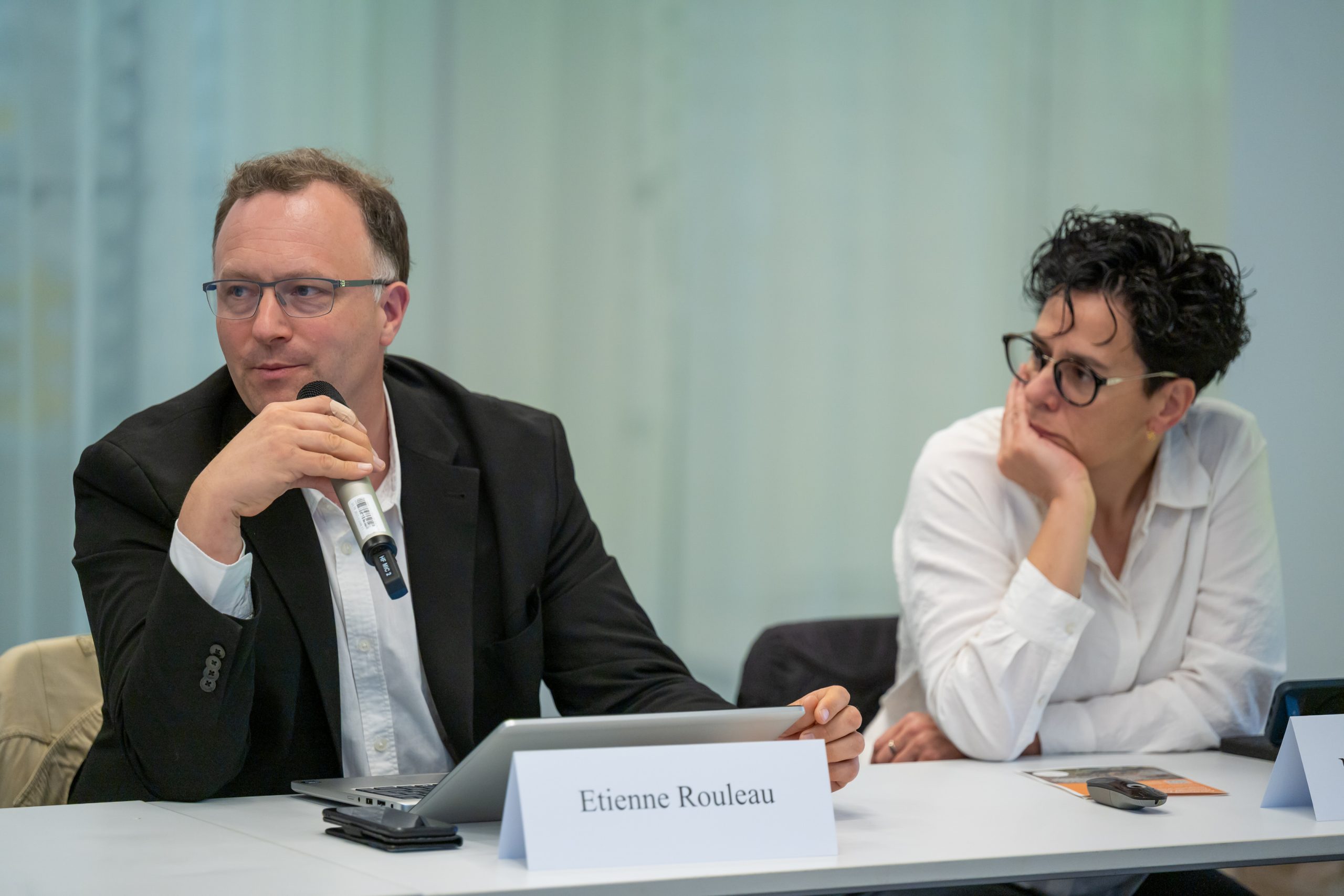


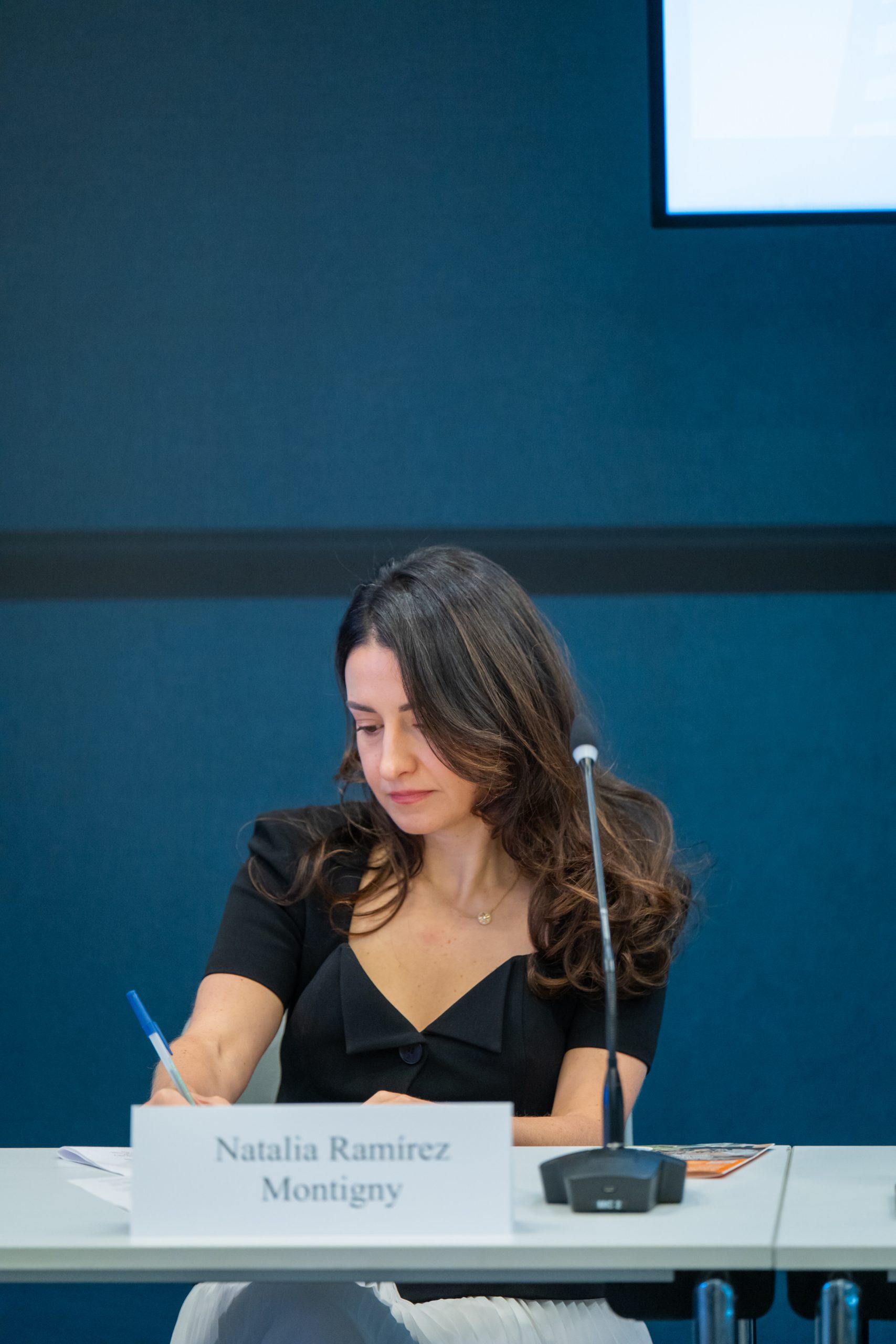
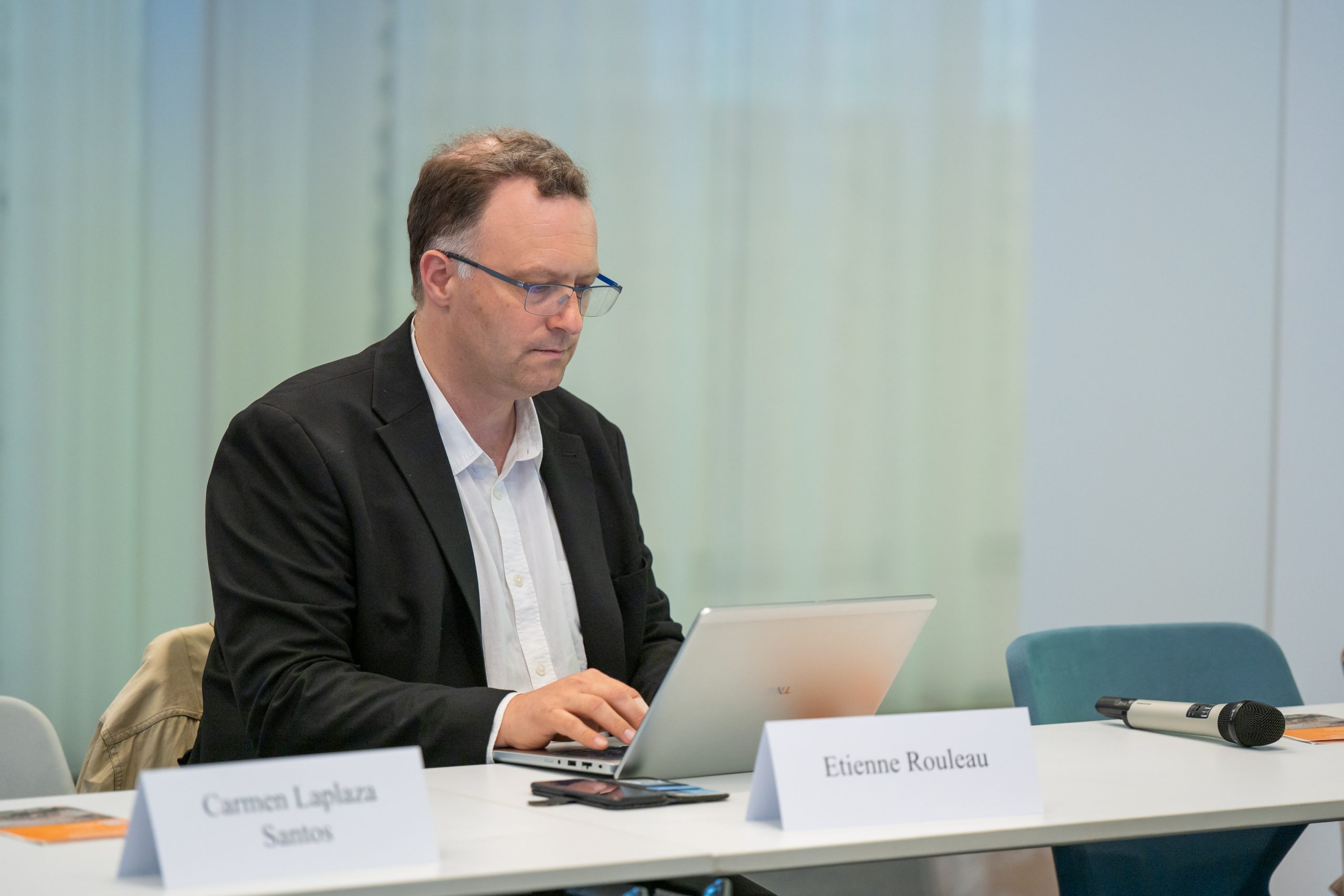
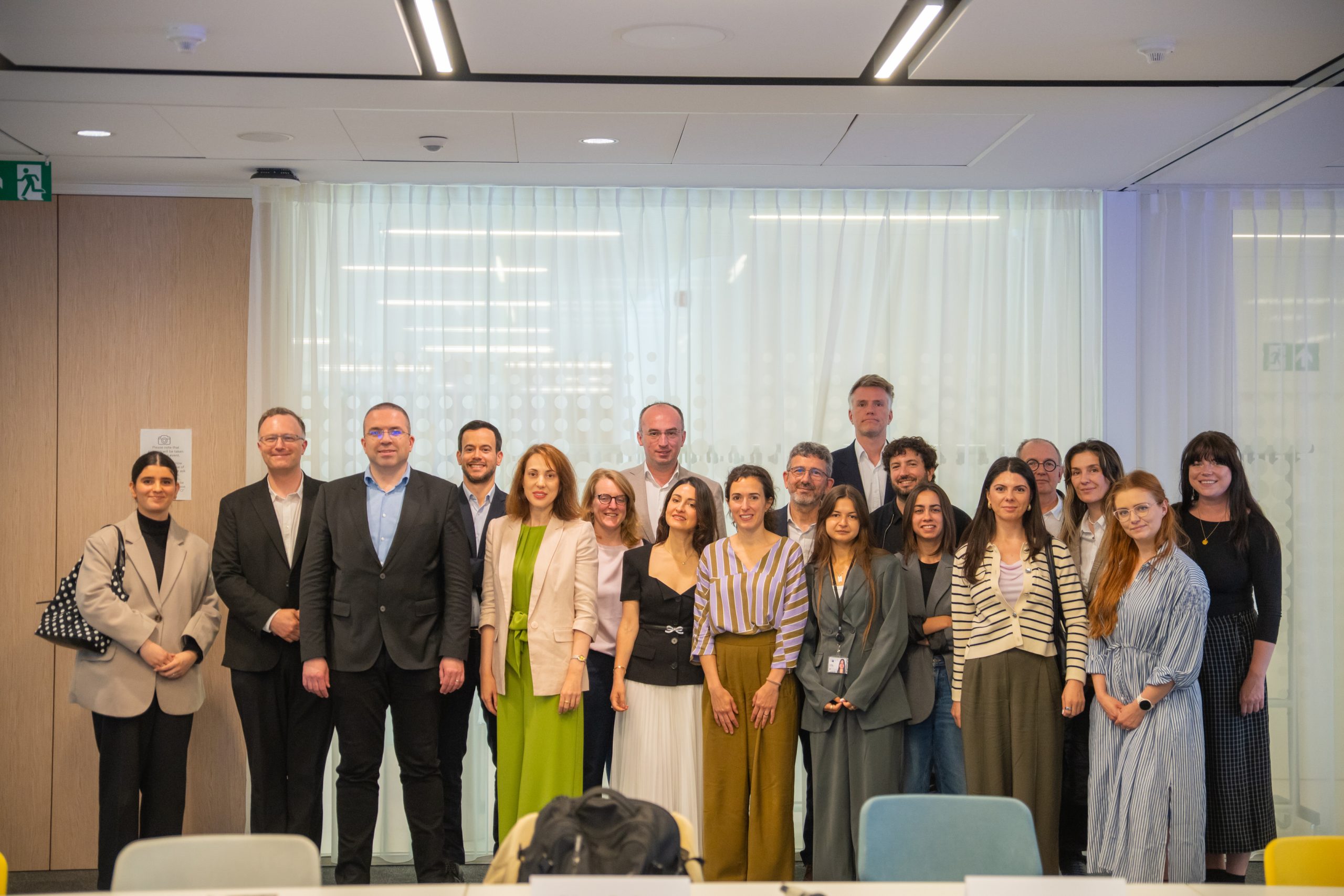
The event began with talks from Dr. Nuria López Bigas, CGI-Clinics Project Coordinator, and Dr. Olivia Tort, CGI-Clinics Executive Coordinator. They introduced some of the outputs being created by the CGI-Clinics project: the Cancer Genome Interpreter, which helps clinicians interpret complex genomic data, and EduCGI, an AI assistant that helps patients understand their molecular test results. They outlined how the tools aim to tackle inequality, strengthen digital health literacy, and meet the regulatory standards required under IVDR and the EU AI Act.
On the topic of challenges in the fight against in cancer in Europe, Olivia Tort highlighted severe inequalities, digital health literacy, and assurance of high standards of care as three key areas to focus on. The CGI-Clinics project delivers a set of innovative tools to enable equitable and evidence-based precision medicine in Europe, aiding in addressing each of these challenges.
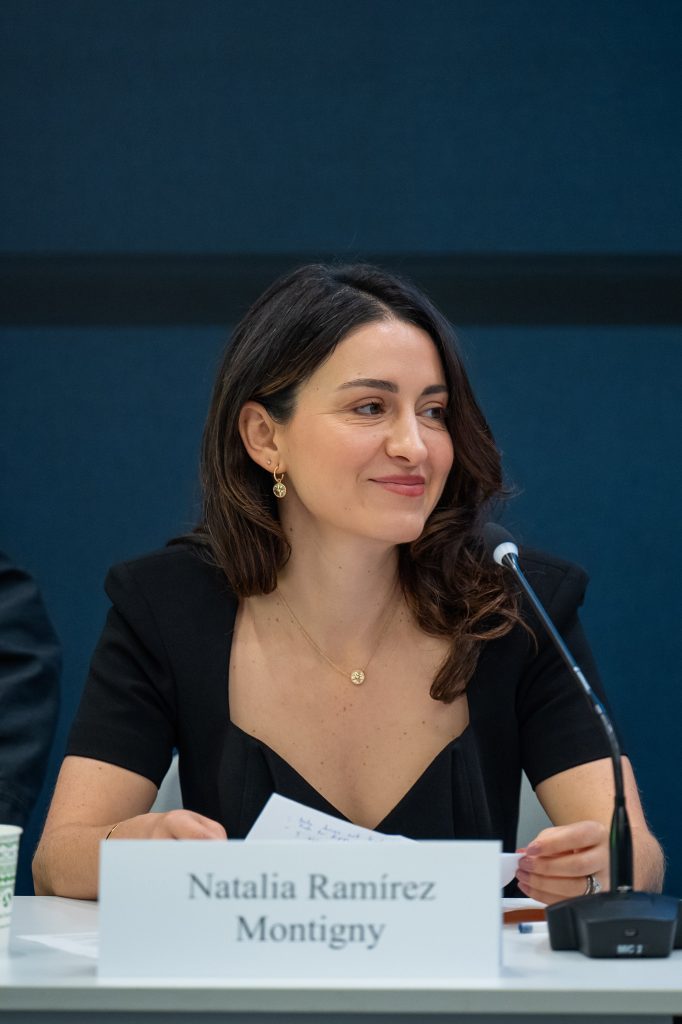
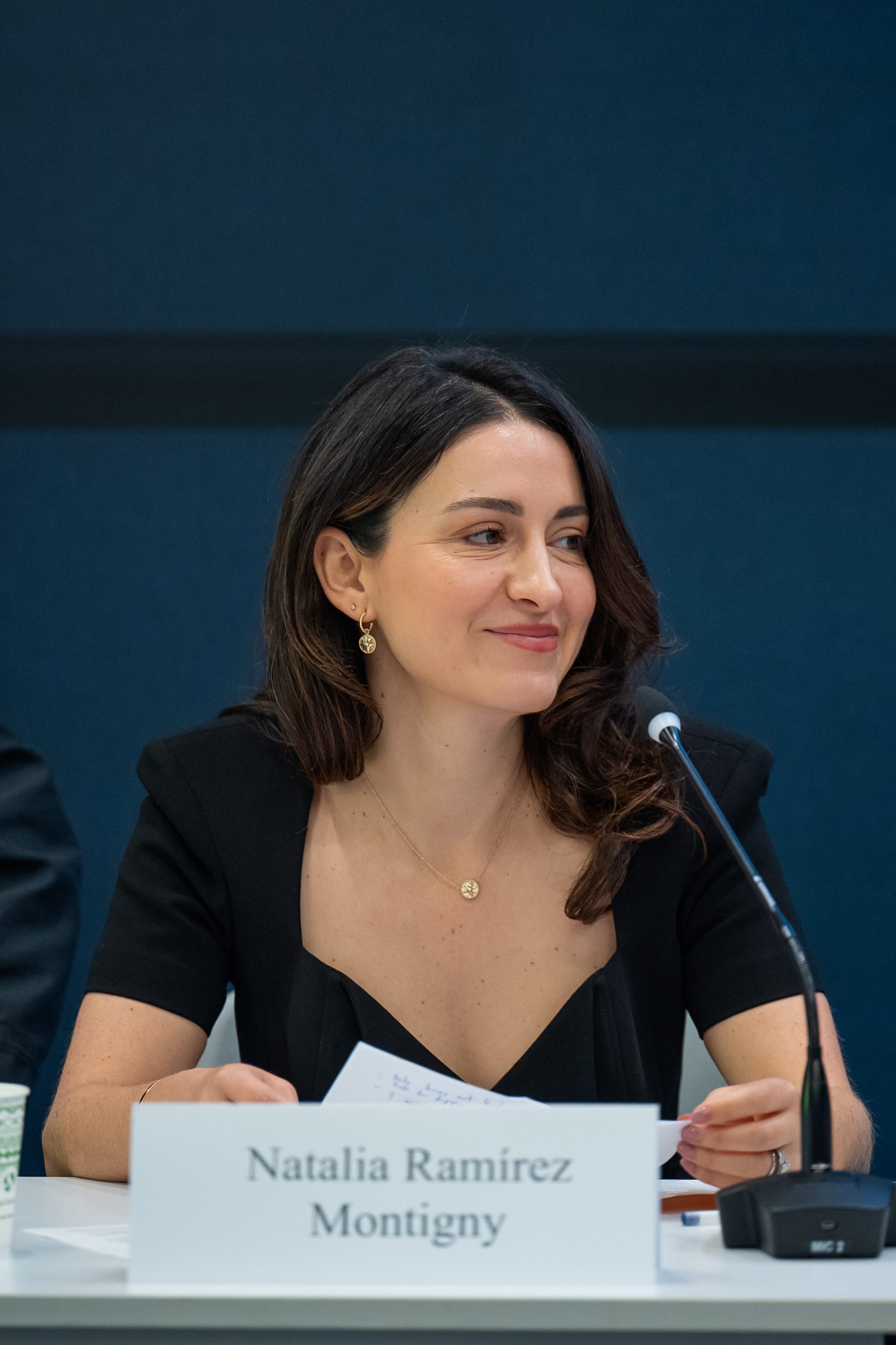
Patient advocate Natalia Ramirez-Montigny (DiCE Patient Advisory Committee) delivered a powerful personal testimony on surviving stage IV gastric cancer, describing how her own access to next-generation sequencing and a matching clinical trial depended on luck and personal connections rather than a functioning system. She commented, “The science is truly extraordinary. I wouldn’t be here if it wasn’t. But the problem is access and inequality. We have the innovation, and now really what we need is the will and the policy to make it accessible.”
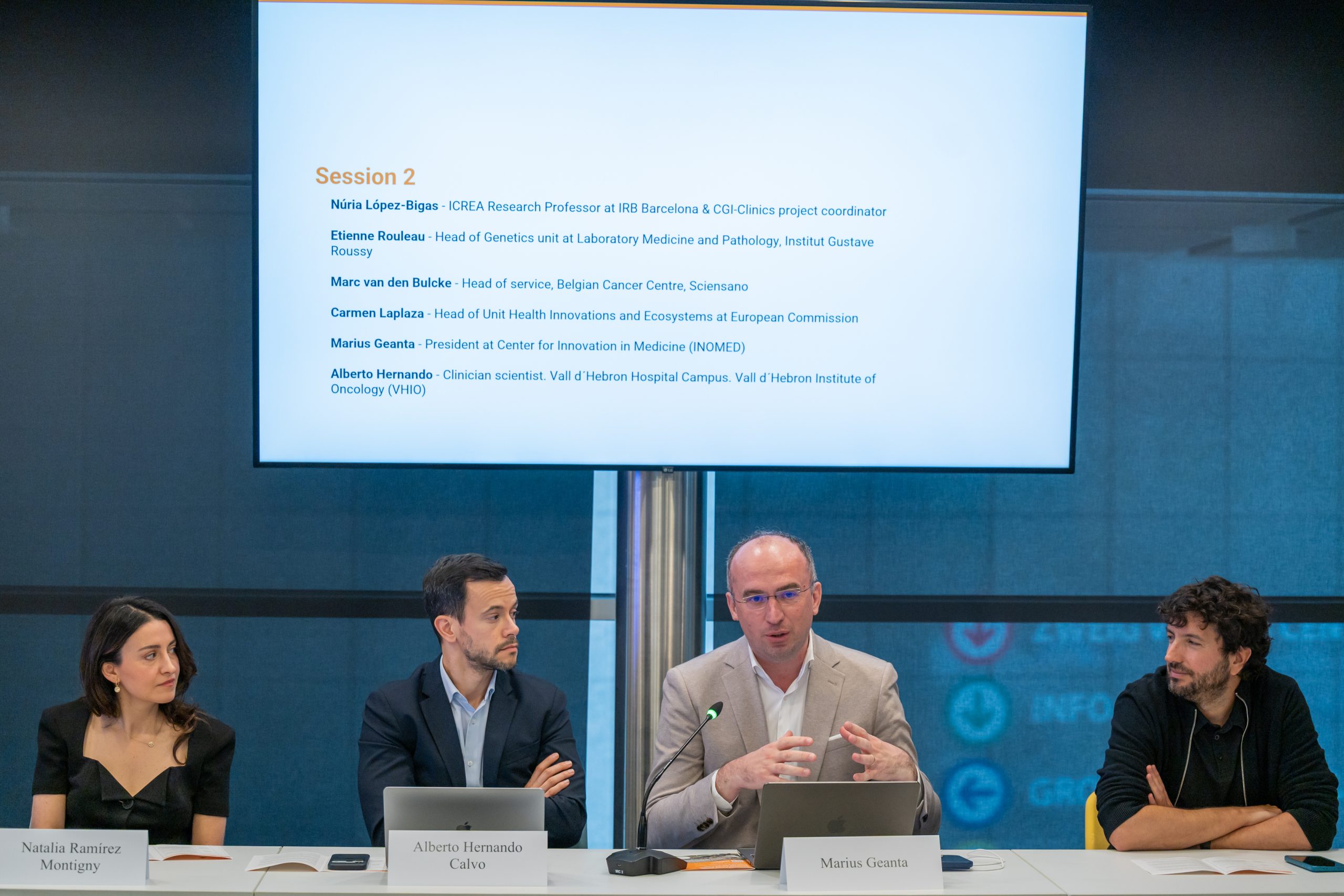
Her account was a fitting introduction to a panel discussion featuring clinicians and public health experts from Gustave Roussy, Vall d’Hebron, Sciensano and Romania’s Center for Innovation in Medicine, who examined barriers to clinical adoption, data governance, and sustainable funding beyond the project’s lifecycle.
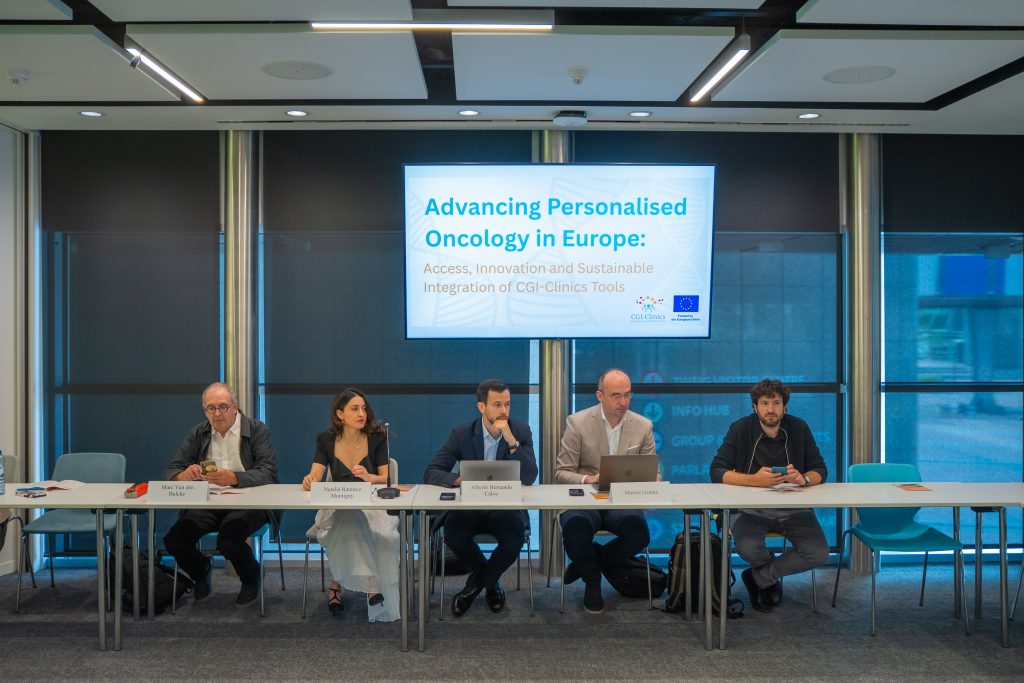
Session representatives Marc Van den Bulke, Natalia Ramírez Montigny, Alberto Hernando Calvo, Marius Geanta, and Scientific Coordinator of the CGI-Clinics project Santi Demajo.
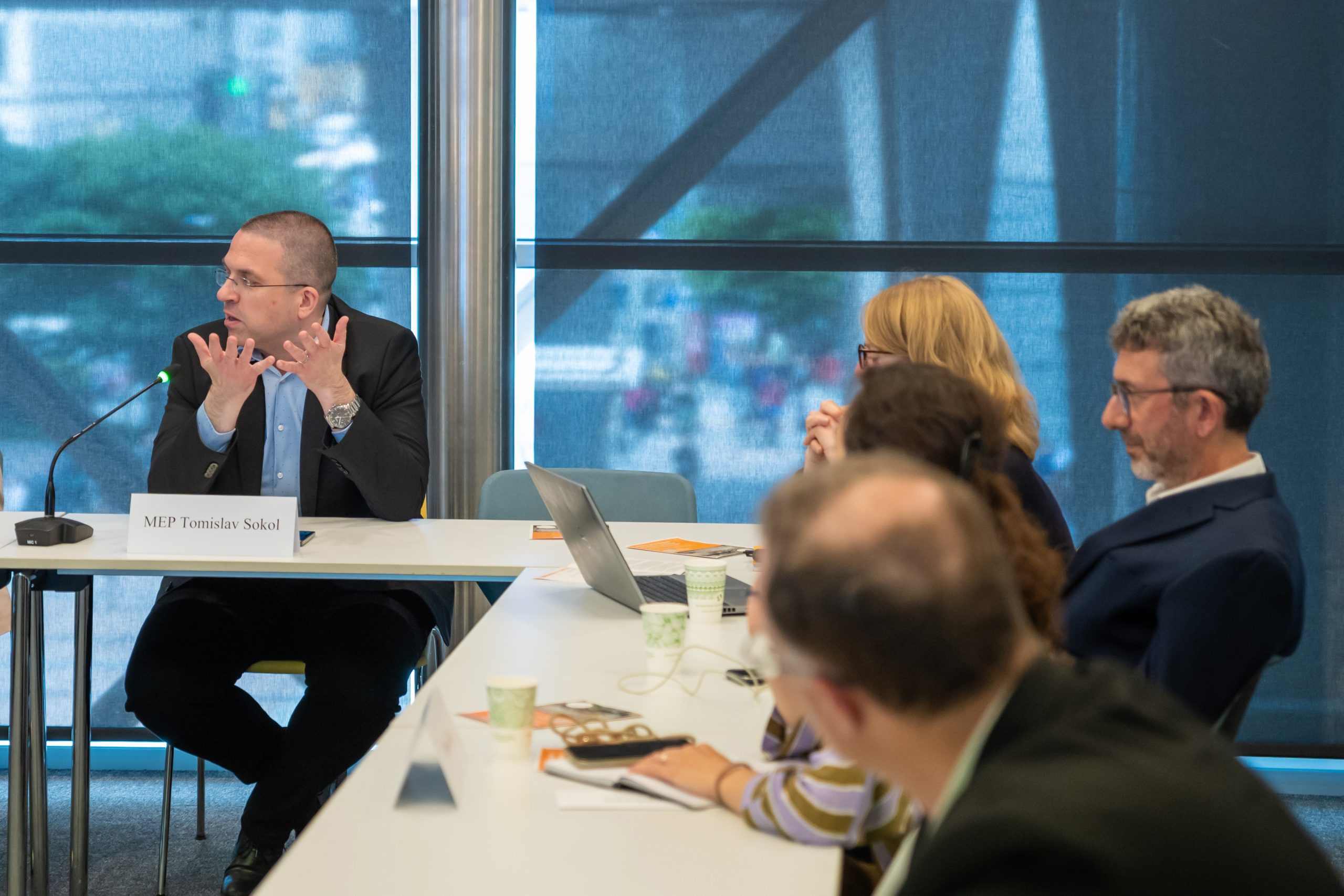
Dr. Adela Maghear, Senior Policy Advisor, moderated the discussion panel and spoke about empowerment as a key factor in excellent oncological care. Closing remarks came from MEP Tomislav Sokol, rapporteur for the European Health Data Space, who highlighted the Parliament’s push for a ring-fenced €10 billion EU health budget and explained how the Health Data Space’s opt-out model for secondary data use is designed to expand research access while protecting patient privacy.
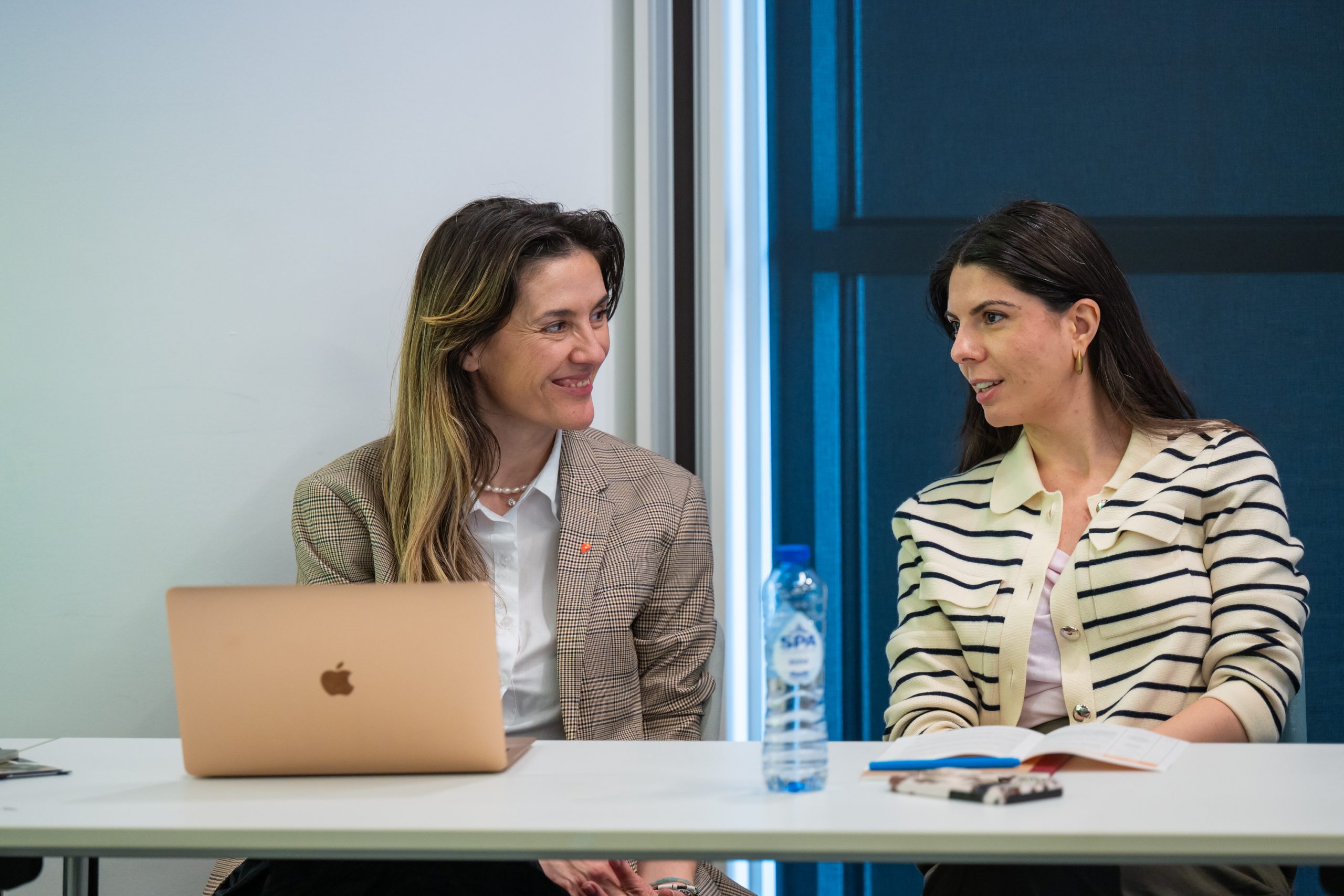
The event was well-attended, with attendees from across Europe and beyond joining in person. It provided a valuable opportunity for stakeholders to come together and discuss the challenges and opportunities of personalised medicine in cancer treatment.
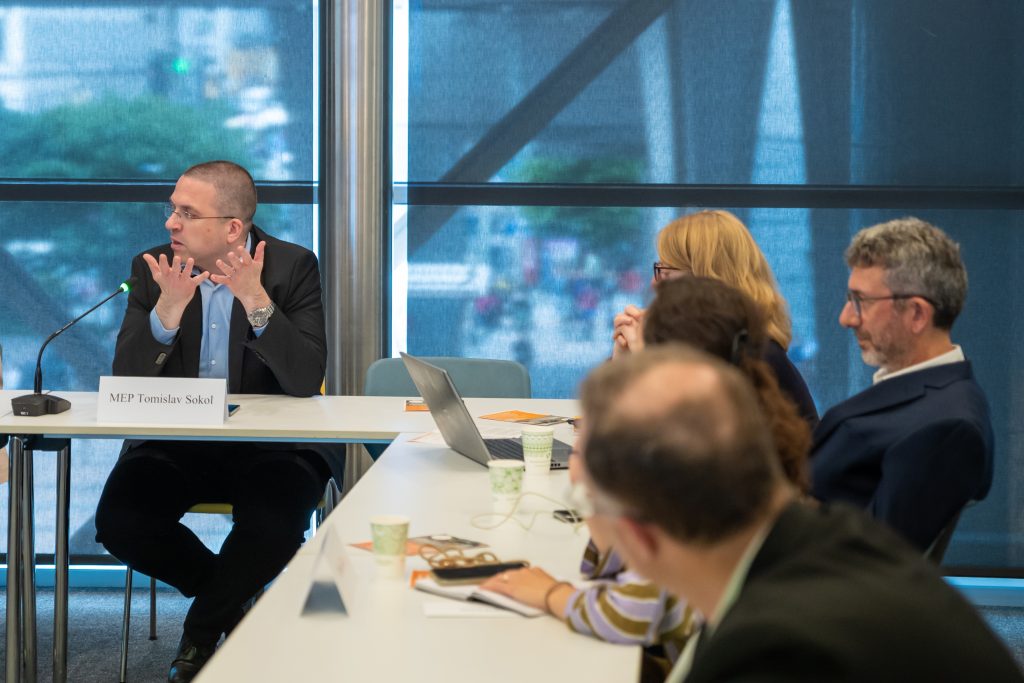
MP Tomislav Sokol speaks passionately about the proposed EU funding for health research
Follow the progress of the project
To keep up-to-date with the progress of CGI-Clinics over the next five years, follow the project on social media: Bluesky, Facebook, LinkedIn and Instagram and sign up for our mailing list.
CGI-Clinics is funded by the European Union. Views and opinions expressed are however those of the author(s) only and do not necessarily reflect those of the European Union or the European Health and Digital Executive Agency (HADEA). Neither the European Union nor the granting authority can be held responsible for them.
